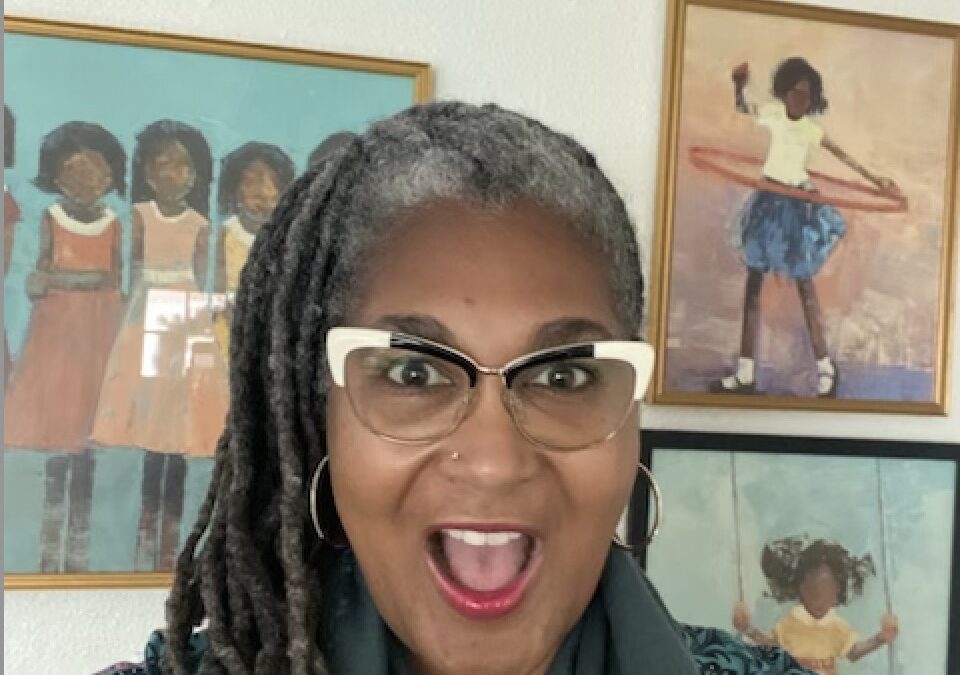
In a world that often encourages conformity, embracing your unique personal aesthetic can be a powerful act of self-expression and self-acceptance. Rev. Stephanie Denise, a remarkable individual, has mastered the art of incorporating her personal style into her everyday life. With an eclectic mix of Afrocentric, Bohemian, Hip Hop, and Professional Chic influences, Rev. Stephanie Denise has created a style that is truly her own. In this blog, we will explore the beauty of embracing who you are and how Rev. Stephanie Denise’s personal aesthetic serves as an inspiration for us all.
1. Embracing Your Authentic Self:
Rev. Stephanie Denise’s journey towards embracing her personal aesthetic began with a deep understanding and acceptance of her authentic self. She recognized that her style was a reflection of her innermost desires, values, and cultural background. By embracing her unique qualities, she was able to unlock a world of creativity and self-expression.
2. Afrocentric Style:
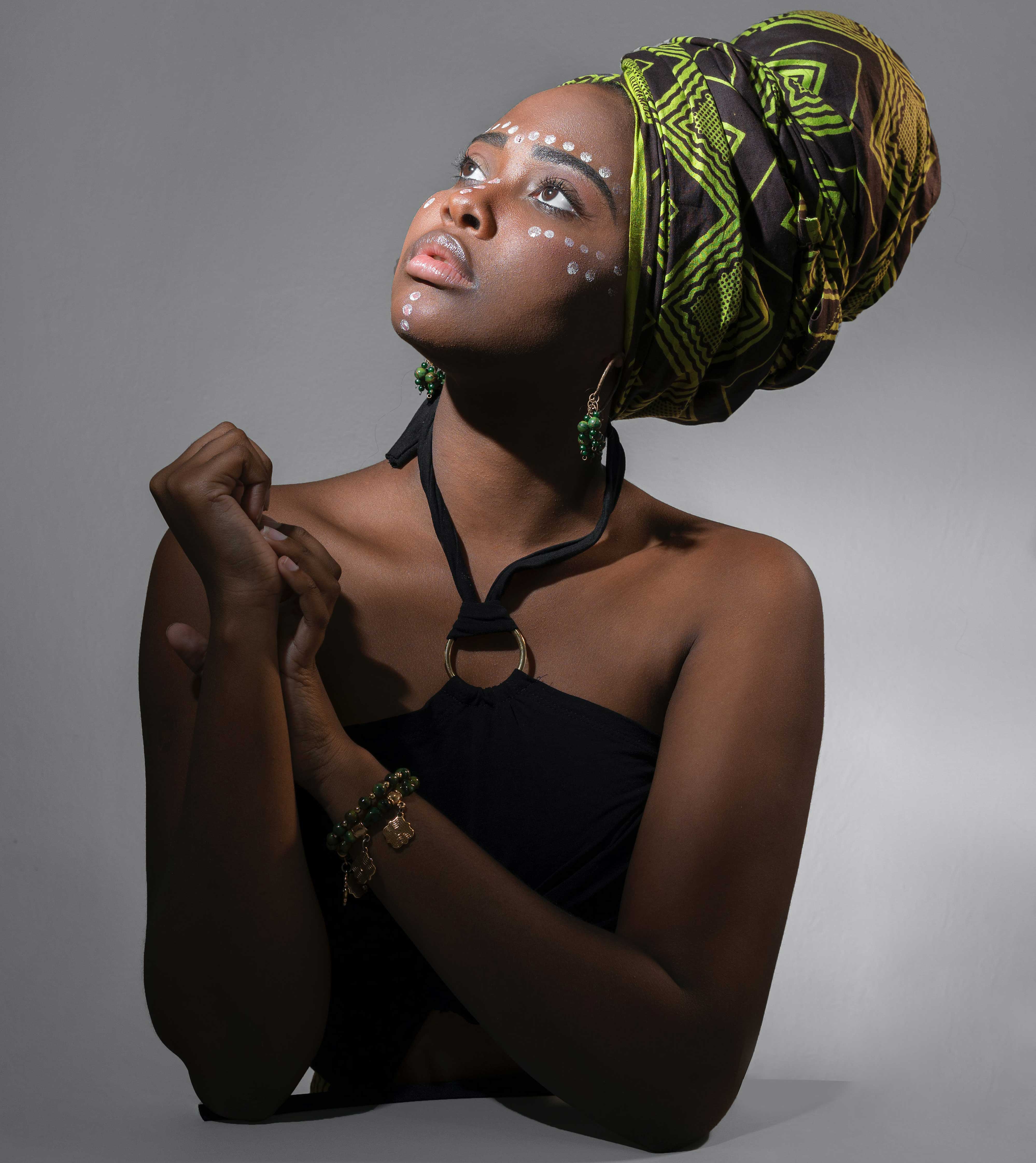
One of the key elements of Rev. Stephanie Denise’s personal aesthetic is her Afrocentric style. Drawing inspiration from her African roots, she incorporates vibrant colors, bold prints, and traditional African jewelry into her outfits. This style not only celebrates her heritage but also serves as a powerful statement of cultural pride and identity.
3. Bohemian Style:
Rev. Stephanie Denise’s love for the Bohemian style adds a touch of whimsy and free-spiritedness to her overall aesthetic. Flowy maxi dresses, layered jewelry, and natural textures are some of the key elements she incorporates into her Bohemian-inspired outfits. This style allows her to express her love for nature, freedom, and individuality.
4. Hip Hop Style:
Rev. Stephanie Denise’s personal aesthetic also includes elements of Hip Hop style, which adds a touch of urban flair to her overall look. From oversized graphic tees to baggy jeans and sneakers, she effortlessly blends streetwear with her other style influences. This style not only reflects her love for music and dance but also serves as a nod to the cultural movement that has shaped her identity.
5. Professional Chic Flare:
Rev. Stephanie Denise’s ability to seamlessly incorporate her personal aesthetic into her professional life is truly commendable. By adding a touch of professional chic flare to her outfits, she exudes confidence, sophistication, and professionalism. Tailored blazers, statement accessories, and classic silhouettes are some of the key elements she incorporates into her workwear, allowing her to express her personal style while maintaining a polished and put-together look.
6. Embracing Your Own Personal Mix:
Rev. Stephanie Denise’s personal aesthetic serves as an inspiration for all of us to embrace our own unique mix of styles. By combining different influences that resonate with our individual identities, we can create a personal aesthetic that is a true reflection of who we are. Whether it’s a blend of cultural, bohemian, urban, or professional elements, the key is to embrace and celebrate our own personal style journey.
Rev. Stephanie Denise’s eclectic mix of Afrocentric, Bohemian, Hip Hop, and Professional Chic styles is a testament to the power of embracing who you are and incorporating your personal aesthetic into your everyday life. Her ability to express herself authentically through her style serves as an inspiration for us all. So, let us celebrate our unique qualities, embrace our personal aesthetic, and confidently express ourselves in a world that truly values individuality.
May the Lord bless you abundantly in this new year, filling your days with joy, peace, and prosperity. As we embark on this journey together, let us remember the words of Jeremiah 29:11: “For I know the plans I have for you, declares the Lord, plans to prosper you and not to harm you, plans to give you hope and a future.”
Step 1: Seek God’s Guidance
In all your endeavors, seek the wisdom and guidance of the Lord. Proverbs 3:5-6 reminds us, “Trust in the Lord with all your heart and lean not on your own understanding; in all your ways submit to him, and he will make your paths straight.”
Step 2: Embrace Gratitude and Kindness
Cultivate a heart of gratitude and spread kindness wherever you go. Remember the words of Ephesians 4:32, “Be kind and compassionate to one another, forgiving each other, just as in Christ God forgave you.”
Step 3: Pursue Excellence and Perseverance
In all that you do, strive for excellence and never give up. Colossians 3:23-24 encourages us, “Whatever you do, work at it with all your heart, as working for the Lord, not for human masters, since you know that you will receive an inheritance from the Lord as a reward. It is the Lord Christ you are serving.”
May these three steps guide you towards success in 2024, as you trust in God’s plan, embrace gratitude and kindness, and pursue excellence with unwavering perseverance. Happy New Year!
In Rwanda, a small country located in East Africa, a unique tradition exists where young girls are required to shave their heads before attending school. This practice holds significant cultural and social implications, impacting the girls’ sense of identity and femininity. In this blog, we will delve into the reasons behind this tradition, its historical context, and the effects it has on these young girls’ lives.
Historical Context:
To understand the practice of shaving heads in Rwandan schools, it is essential to consider the country’s history. Rwanda experienced a devastating genocide in 1994, which resulted in the loss of approximately 800,000 lives. In the aftermath, the country faced numerous challenges, including rebuilding its education system. The tradition of shaving heads emerged as a way to promote hygiene and equality among students, regardless of their socio-economic backgrounds.
Promoting Hygiene:
One of the primary reasons for this practice is to ensure cleanliness and hygiene among schoolchildren. Rwanda is a country with a predominantly rural population, and access to clean water and sanitation facilities can be limited. By shaving their heads, young girls can avoid lice infestations and maintain good personal hygiene, preventing the spread of diseases within the school environment.
Fostering Equality:
The tradition of shaving heads in Rwandan schools also aims to promote equality among students. By removing external markers of wealth or social status, such as hairstyles or hair accessories, the focus shifts to the students’ intellect and character. This practice creates a level playing field, where all students are judged solely on their academic abilities, fostering a sense of unity and camaraderie among the students.
Challenging Gender Stereotypes:
In many societies, long hair is often associated with femininity. However, the act of shaving their heads challenges traditional gender stereotypes for young Rwandan girls. By embracing this practice, these girls are encouraged to redefine femininity on their own terms, emphasizing qualities such as intelligence, resilience, and determination over physical appearance.
Impact on Identity:
While the tradition of shaving heads in Rwandan schools serves a practical purpose, it also has a profound impact on the girls’ sense of identity. Hair is often seen as an expression of one’s personality, culture, and individuality. For these young girls, losing their hair can be a challenging experience, as it alters their physical appearance and can temporarily affect their self-esteem.
Rebuilding Identity:
However, it is important to note that the impact on identity is not solely negative. The act of shaving their heads allows these girls to explore and redefine their identities beyond societal expectations. It becomes an opportunity for self-discovery, as they learn to embrace their inner strength, resilience, and intelligence. This process can lead to a stronger sense of self and empowerment in the long run.
Community Support:
The impact of shaving heads on identity is mitigated by the strong sense of community support in Rwandan society. Families, teachers, and fellow students rally around these girls, providing emotional support and encouragement. This collective support helps the girls navigate the challenges associated with the loss of their hair, reinforcing their sense of belonging and acceptance.
The tradition of shaving heads among young girls attending school in Rwanda may seem peculiar to outsiders, but it holds deep cultural significance. While it impacts their sense of identity and femininity, it also promotes hygiene, equality, and challenges traditional gender stereotypes. By exploring the reasons behind this practice and its effects, we can gain a deeper understanding of the complex interplay between culture, education, and personal identity in Rwanda.
Leaving behind a corporate career to pursue your entrepreneurial dreams abroad can be a life-changing decision. It offers the opportunity to rediscover your purpose, make a meaningful impact, and create a successful business in a new environment. In this blog, we will explore the steps to starting a business in Ghana or Rwanda, two countries in Africa that are known for their growing economies and entrepreneurial ecosystems. By following these steps, you can embark on a journey of rediscovery and find fulfillment in building a business that aligns with your passions and expertise.
I. Researching the Market
Before diving into the world of entrepreneurship, it is crucial to thoroughly research the market in Ghana or Rwanda. This involves understanding the local culture, consumer preferences, and economic conditions. By conducting market research, you can identify potential gaps or opportunities where your skills and expertise can make a difference. Additionally, studying the competition and analyzing market trends will help you position your business effectively.
II. Identifying Your Passion and Expertise
Rediscovering your purpose involves identifying your passion and expertise. Reflect on your interests, skills, and experiences to determine what truly drives you. Starting a business that aligns with your strengths and interests will not only increase your chances of success but also bring you fulfillment. Consider how your skills can address a specific need in the market and create value for your target audience.
III. Networking and Building Relationships
Establishing strong connections with local entrepreneurs, professionals, and potential customers is crucial for success abroad. Attend industry events, join business associations, and engage with the local community to build a network of support and gain insights into the local business environment. By nurturing relationships, you can find mentors, collaborators, and customers who can contribute to the growth of your business.
IV. Developing a Business Plan
A well-structured business plan is essential for guiding your entrepreneurial journey. It should outline your goals, target market, competitive analysis, marketing strategies, financial projections, and operational details. A thorough business plan will serve as a roadmap, helping you stay focused and organized as you navigate the challenges of starting a business abroad. Seek feedback from mentors or advisors to refine your plan and ensure its viability.
V. Securing Funding
Determining the financial resources required to start and sustain your business is a critical step. Explore various funding options, such as personal savings, loans, grants, or partnerships. Research local financial institutions and government programs that support entrepreneurship in Ghana or Rwanda. Prepare a compelling business case and financial projections to attract potential investors or secure loans.
VI. Adapting to Local Regulations
Understanding the legal and regulatory requirements for starting a business in Ghana or Rwanda is essential. Consult with local experts or legal advisors to ensure compliance with local laws, licensing, and tax obligations. Adapting to local regulations will help you establish a strong foundation for your business and avoid any legal pitfalls. When beginning our NGO in Rwanda we secured a Rwandan Attorney who helped us navigate the process and even enlisted him as Power of Attorney to sign documents when unable to be on the Continent of Africa.
VII. Building a Strong Team
Surround yourself with talented individuals who share your vision and can contribute to the success of your business. Hire employees or collaborate with local partners who have the necessary skills and knowledge of the local market. Building a strong team will help you overcome challenges, leverage diverse perspectives, and drive innovation. Your Team will also help you . Together you create a win for all.
VIII. Embracing Cultural Sensitivity
Respecting and adapting to the local culture, customs, and business practices is crucial when starting a business abroad. Building strong relationships with local stakeholders will help you navigate challenges and gain trust within the community. Embrace cultural sensitivity by learning the local language, understanding social norms, and incorporating local values into your business practices.
IX. Marketing Your Business
Develop a robust marketing strategy to create awareness and attract customers. Utilize both traditional and digital marketing channels, such as social media, local advertising, and partnerships with influencers or local media outlets. Tailor your marketing messages to resonate with the local audience and highlight the unique value your business offers.
X. Continuously Learning and Evolving
Stay open to learning from your experiences and adapt your business strategies as needed. Embrace feedback, monitor market trends, and be willing to pivot when necessary. Continuous learning and evolution are key to staying competitive and sustaining your business in the long run.
Rediscovering purpose after leaving a corporate career and starting a business abroad in Ghana or Rwanda requires careful planning, adaptability, and a strong sense of purpose. By following the steps outlined in this blog, you can embark on a fulfilling journey of entrepreneurship, creating a successful business that aligns with your passions and expertise. Remember to research the market, identify your passion and expertise, build strong relationships, develop a comprehensive business plan, secure funding, adapt to local regulations, build a strong team, embrace cultural sensitivity, market your business effectively, and continuously learn and evolve. With determination, resilience, and a clear sense of purpose, you can find success and fulfillment in your entrepreneurial endeavors abroad.
Divorce is a challenging and life-altering experience, especially when a former spouse begins a new family. However, it’s important to remember that the end of a marriage does not mean the end of your own purpose and happiness. This blog explores the journey of finding purpose after a marriage ends and navigating the emotions that arise when a former spouse starts a new family. By embracing personal growth, self-discovery, and new opportunities, you can create a fulfilling and purposeful life for yourself.
Embracing the Healing Process:
The end of a marriage can be emotionally taxing, and it’s crucial to allow yourself time to heal. Embrace the healing process by seeking professional help, surrounding yourself with supportive friends and family, and engaging in self-care activities that promote emotional well-being. By taking the time to heal, you can lay the foundation for rediscovering your purpose.
Redefining Your Identity:
After a divorce, it’s common to feel a loss of identity. Take this opportunity to rediscover who you are as an individual. Reflect on your values, passions, and goals. Engage in activities that bring you joy and allow you to reconnect with your authentic self. By redefining your identity, you can find a renewed sense of purpose and direction in life.
Focusing on Personal Growth:
Divorce presents an opportunity for personal growth and self-improvement. Invest in your personal development by setting goals, pursuing new interests, and acquiring new skills. Engaging in lifelong learning and self-improvement not only enhances your personal growth but also opens doors to new opportunities and experiences.
Building a Supportive Network:
Surrounding yourself with a supportive network is crucial during this transitional period. Seek out friends, family, or support groups who can provide emotional support and understanding. Connecting with others who have experienced similar situations can help you navigate the complexities of emotions that arise when a former spouse begins a new family.
Letting Go of Resentment:
It’s natural to feel a range of emotions when a former spouse starts a new family, including resentment. However, holding onto resentment only hinders your own personal growth and happiness. Practice forgiveness and let go of negative emotions. By releasing resentment, you create space for positivity and new opportunities to enter your life.
Discovering New Passions and Interests:
Divorce offers a chance to explore new passions and interests that may have been neglected during your marriage. Engage in activities that ignite your curiosity and bring you joy. Whether it’s pursuing a hobby, volunteering, or traveling, discovering new passions can lead to a renewed sense of purpose and fulfillment.
Creating Your Own Path:
Remember that your life is unique, and comparing it to your former spouse’s new family will only hinder your own progress. Instead, focus on creating your own path and defining what happiness and purpose mean to you. Set goals that align with your values and aspirations, and take steps towards achieving them. Your journey is yours alone, and by embracing it, you can find fulfillment and purpose.
Conclusion:
Finding purpose after a marriage ends and a former spouse begins a new family is a transformative journey that requires self-reflection, healing, and personal growth. Embrace the healing process, redefine your identity, focus on personal growth, build a supportive network, let go of resentment, discover new passions and interests, and create your own path. By embracing these steps, you can find a renewed sense of purpose, happiness, and fulfillment in your life, independent of your former spouse’s choices. Remember, your journey is unique, and your purpose is waiting to be discovered.