Becoming a mother is a life-changing experience, and when it happens later in life, it brings a unique set of challenges and rewards. This blog explores the journey of finding purpose in having twins at the age of 33 while balancing a teaching career. As these twins now enter their sophomore year of college, we delve into the lessons learned, the joys experienced, and the fulfillment found in embracing both motherhood and professional aspirations.
Embracing the Unexpected:
Becoming a mother later in life can be unexpected, especially when it comes to having twins. It’s essential to embrace the unexpected and view it as an opportunity for growth and personal development. While it may require adjustments and sacrifices, the joy and love that come with raising twins can be immeasurable.
Balancing Motherhood and Career:
Balancing motherhood and a teaching career can be challenging, but it’s not impossible. Finding a harmonious balance requires careful planning, effective time management, and a supportive network. Prioritizing tasks, setting boundaries, and seeking help when needed are essential strategies for maintaining both personal and professional fulfillment. I was blessed with a support system of Parents and my Grandmother.
Nurturing Personal Growth:
Motherhood should not overshadow personal growth and professional aspirations. It’s crucial to continue nurturing personal interests and goals while raising children. Pursuing professional development opportunities, engaging in hobbies, and setting aside time for self-care are vital aspects of maintaining a sense of purpose and fulfillment. As children grow they often model our own personal growth.
Finding Support:
Building a strong support system is crucial for navigating the challenges of motherhood and a teaching career. Seek out fellow twin moms, colleagues, friends, and family members who can offer guidance, encouragement, and practical assistance. Surrounding yourself with a supportive network helps alleviate stress and provides a sense of belonging.
Maximizing Quality Time:
As a working mom, time with your children is precious. Maximizing quality time with your twins is essential for creating lasting memories and fostering a strong bond. Prioritize activities that allow for meaningful connections, such as family outings, shared hobbies, and open communication. In our household, Church, Family Dinners, Holiday Celebrations, Disneyland, and NASCAR serve as prime quality time. Quality over quantity is key when it comes to balancing work and motherhood.
Teaching Life Lessons:
As a teacher and a mother, you have a unique opportunity to instill important life lessons in your children. Share your passion for education, inspire a love for learning, and teach them the value of hard work and perseverance. By integrating your teaching skills into your parenting, you can create a nurturing environment that fosters growth and empowers your twins to pursue their dreams.
Celebrating Milestones:
As your twins grow older, it’s essential to celebrate their milestones and achievements. Reflect on their growth and development, and acknowledge the role you played in shaping their lives. Cherish the memories of their childhood and be proud of the individuals they have become.
Conclusion:
Finding purpose in having twins later in life while maintaining a teaching career is a journey filled with challenges, rewards, and personal growth. Embracing the unexpected, balancing motherhood and career, nurturing personal growth, finding support, maximizing quality time, teaching life lessons, and celebrating milestones are all essential aspects of this journey. As a late-blooming twin mom, I had the opportunity to inspire and shape the lives of my twins. You now have the opportunity to inspire and shape your children while pursuing your own passions and aspirations. Embrace the joys, navigate the challenges, and find fulfillment in the unique journey of being a twin mom and a dedicated educator.
In today’s society, women are breaking barriers and making significant strides in traditionally male-dominated fields. However, despite these advancements, many women still find themselves navigating the complexities of working in a patriarchal job. This blog aims to explore how women can walk confidently in their femininity and purpose while thriving in such environments. By embracing their unique strengths and leveraging their skills, women can challenge societal norms and create a more inclusive and empowering workplace culture.
Understanding Femininity:
To begin this journey, it’s essential to understand what femininity means in the context of the workplace. Femininity encompasses a wide range of qualities, including empathy, collaboration, intuition, and emotional intelligence. These traits are often undervalued in patriarchal workplaces, but they are powerful tools that can lead to success and personal fulfillment.
Embracing Authenticity:
One of the most crucial steps for women in patriarchal jobs is embracing their authentic selves. It’s essential to recognize that femininity is not a weakness but a strength. By staying true to their values, beliefs, and unique perspectives, women can bring fresh ideas and innovative solutions to the table. Embracing authenticity also helps build confidence and gain respect from colleagues and superiors.
Building a Support Network:
Navigating a patriarchal workplace can be challenging, but having a strong support network can make a significant difference. Seek out mentors, both male and female, who can provide guidance and advice. Surround yourself with like-minded individuals who understand and appreciate your journey. Together, you can uplift and empower each other, creating a supportive community that fosters growth and success.
Leveraging Communication Skills:
Effective communication is a vital skill for women working in patriarchal environments. Women often face challenges when their voices are unheard or dismissed. By developing assertiveness and honing their communication skills, women can effectively convey their ideas and opinions. Active listening, clear articulation, and confident body language are powerful tools that can help break down barriers and gain recognition.
Overcoming Stereotypes:
Stereotypes and biases can hinder a woman’s progress in a patriarchal job. It’s crucial to challenge these preconceived notions and prove that women are just as capable and deserving of success. By consistently delivering high-quality work, exceeding expectations, and showcasing leadership skills, women can break through these barriers and inspire change.
Embracing Leadership Opportunities:
Women can actively seek out leadership opportunities to make a significant impact in their workplaces. By stepping into leadership roles, women can challenge the status quo, influence decision-making processes, and create a more inclusive work environment. Leadership positions provide a platform to advocate for gender equality and empower other women to embrace their femininity and purpose.
Cultivating Resilience:
Working in a patriarchal job can be emotionally and mentally draining at times. It’s crucial for women to cultivate resilience and develop coping mechanisms to navigate these challenges. Practicing self-care, setting boundaries, and seeking support when needed are essential for maintaining mental well-being and staying focused on personal and professional growth.
Conclusion:
Walking in femininity and purpose while working in a patriarchal job is a journey that requires courage, resilience, and self-belief. By embracing their unique strengths, building a support network, and challenging societal norms, women can create lasting change in their workplaces. Remember, your femininity is not a limitation but a powerful asset that can shape a more inclusive and empowering future. Embrace your authenticity, lead with confidence, and inspire others to do the same. Together, we can create a more equitable and fulfilling work environment for all.
Stopping people from renting space in our heads and hindering our purpose requires self-awareness, boundary-setting, and a focus on personal growth. Here are some strategies to help you achieve that:
Cultivate self-awareness:
Pay attention to your thoughts, emotions, and reactions when interacting with others. Recognize the impact that negative or toxic people have on your well-being and sense of purpose. Develop a deeper understanding of yourself, your values, and your goals to strengthen your sense of purpose.
Set healthy boundaries:
Establish clear boundaries with people who drain your energy or negatively impact your mindset. Learn to say “no” when necessary and prioritize your own well-being. Communicate your boundaries assertively but respectfully, and don’t feel guilty about protecting your mental and emotional space.
Surround yourself with positive influences:
Seek out individuals who inspire and support you in your journey of finding purpose. Surrounding yourself with like-minded, uplifting, and encouraging people can help you stay focused on your goals and maintain a positive mindset.
Practice self-care:
Engage in self-care activities that promote mental, emotional, and physical well-being. This can include activities like exercise, meditation, journaling, spending time in nature, pursuing hobbies, or seeking therapy or counseling. Taking care of yourself helps build resilience and provides a solid foundation for pursuing your purpose.
Develop resilience and emotional intelligence:
Work on building resilience to effectively cope with negativity or criticism. Develop emotional intelligence by improving your self-awareness, empathy, and interpersonal skills. This will help you navigate challenging situations with grace and maintain a healthy perspective.
Focus on personal growth:
Invest time in personal development and continuous learning. Set goals that align with your purpose and take consistent action to achieve them. Engage in activities that nourish your mind, body, and soul, such as reading inspirational books, attending workshops, or seeking mentorship.
Practice mindfulness and let go of attachments:
Cultivate mindfulness to observe your thoughts and emotions without judgment. Recognize when you’re allowing others’ opinions or actions to influence your mindset and consciously choose to let go of negative attachments. Practice acceptance and detach yourself from seeking validation or approval from others.
Reframe challenges as opportunities:
Shift your perspective and view challenges or setbacks as learning experiences and opportunities for growth. Embrace a positive mindset and see every situation as a chance to strengthen your purpose and resilience.
Remember, it’s a continuous process to protect your mental and emotional space. Be patient with yourself and practice these strategies consistently. Surround yourself with people who support your purpose, prioritize your well-being, and stay committed to your personal growth.
In many parts of Africa, period poverty remains a significant issue, affecting millions of women and girls. Period poverty refers to the lack of access to menstrual hygiene products, education, and facilities, which can have severe consequences on women’s health, education, and overall well-being. However, there is hope as organizations, governments, and individuals are working tirelessly to address this issue and create a future where no woman or girl is held back by her period.
Understanding Period Poverty
Period poverty is a multifaceted issue that encompasses various challenges. Lack of access to affordable menstrual products, limited sanitation facilities, cultural stigmas, and inadequate menstrual health education all contribute to the perpetuation of period poverty. These barriers prevent women and girls from managing their periods with dignity, often leading to health issues, school absenteeism, and limited economic opportunities.
The Impact of Period Poverty
The consequences of period poverty are far-reaching. Without access to proper menstrual hygiene products, women and girls resort to using unsafe alternatives like rags, leaves, or even mud, which can lead to infections and other health complications. Moreover, the shame and stigma associated with menstruation can negatively impact girls’ self-esteem and confidence, leading to absenteeism and a higher likelihood of dropping out of school. This perpetuates a cycle of poverty and limits their potential for a better future.
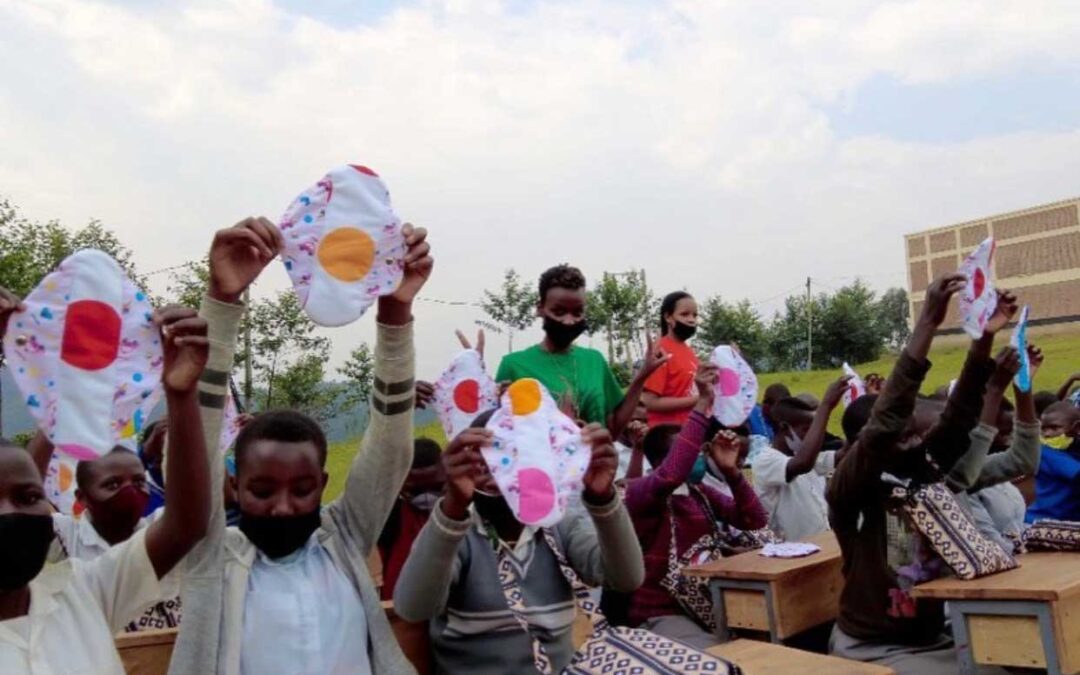
Rwandan Girls
Efforts to End Period Poverty
1. Advocacy and Awareness: Organizations and individuals are working tirelessly to raise awareness about period poverty and challenge the taboos and stigmas surrounding menstruation. By engaging in conversations, hosting workshops, and using social media platforms, they aim to break the silence and normalize discussions around menstruation.
2. Access to Menstrual Hygiene Products: Various initiatives are focused on providing affordable and sustainable menstrual hygiene products to women and girls in need. These initiatives range from distributing reusable pads, menstrual cups, and eco-friendly disposable products to setting up local production units that empower women economically.
3. Education and Empowerment: Comprehensive menstrual health education programs are being implemented to equip women and girls with knowledge about their bodies, menstrual hygiene practices, and the importance of proper menstrual product usage. These programs also aim to challenge cultural norms and empower women to take control of their menstrual health.
4. Policy and Government Support: Governments across Africa are recognizing the importance of addressing period poverty and are taking steps to implement policies that ensure access to menstrual hygiene products in schools, workplaces, and public spaces. This support is crucial in creating sustainable change and breaking down systemic barriers.
5. Partnerships and Collaborations: NGOs, businesses, and governments are joining forces to pool resources, share knowledge, and implement large-scale initiatives to tackle period poverty effectively. Collaborations between organizations and communities are key to creating lasting change and ensuring that no woman or girl is left behind. Impact and
Future Outlook
The work being done to end period poverty in Africa is already yielding positive results. Women and girls are gaining access to menstrual hygiene products, education, and support, enabling them to manage their periods with dignity and pursue their dreams. By breaking the silence and challenging cultural norms, the conversation around menstruation is becoming more inclusive and empowering. However, there is still much work to be done. Sustainable solutions, long-term funding, and continued advocacy are essential to ensure that period poverty is eradicated entirely. By prioritizing menstrual health as a fundamental human right, Africa can pave the way for a future where every woman and girl can thrive, regardless of their menstrual cycle.
In Conclusion, ending period poverty in Africa requires a collective effort that involves governments, organizations, communities, and individuals. By addressing the systemic barriers, providing access to menstrual hygiene products, and empowering women and girls through education, we can create a future where period poverty is a thing of the past. Together, we can ensure that every woman and girl in Africa can embrace their periods with dignity, unlock their full potential, and contribute to a prosperous and equitable society.
In our journey through life, we often encounter experiences that leave lasting imprints on our minds and hearts. These experiences, especially traumatic ones, can create deep emotional wounds and form bonds that hinder our growth and prevent us from realizing our true potential. However, by acknowledging and healing these trauma bonds, we can break free from their grip, rediscover our authentic selves, and find our God-given purpose, leading to a life of prosperity and fulfillment.
Understanding Trauma Bonds:
Trauma bonds are emotional connections formed as a result of intense, often negative experiences. These bonds can develop in various relationships, such as with family members, romantic partners, or even within communities. Traumatic events, such as abuse, neglect, or loss, can create these bonds, causing us to associate pain and fear with certain people or situations.
The Impact of Trauma Bonds:
Unresolved trauma bonds can have a profound impact on our lives. They can manifest as self-destructive patterns, fear of intimacy, low self-esteem, and a lack of direction. These bonds can keep us trapped in cycles of negativity, preventing us from forming healthy relationships, pursuing our passions, and achieving our goals. By healing these bonds, we can break free from these limitations and unlock our true potential.
The Healing Process:
1. Acknowledgment: The first step towards healing trauma bonds is acknowledging their existence. This involves recognizing the impact of past experiences on our present lives and accepting that healing is necessary.
2. Seeking Support: Healing trauma bonds can be a challenging and complex process. Seeking professional help from therapists, counselors, or support groups can provide guidance, validation, and tools to navigate this journey.
3. Self-Reflection: Engaging in self-reflection allows us to gain insight into our patterns, triggers, and emotional wounds. Through practices such as journaling, meditation, or therapy, we can uncover the root causes of our trauma bonds and develop a deeper understanding of ourselves.
4. Emotional Release: Healing trauma bonds often involves releasing suppressed emotions. This can be achieved through various therapeutic techniques, such as talk therapy, EMDR, or somatic experiencing. By allowing ourselves to feel and express our emotions in a safe environment, we can begin to heal and let go of the pain associated with our trauma bonds.
5. Rebuilding Trust: Trauma bonds can erode our ability to trust others and ourselves. Rebuilding trust requires patience, vulnerability, and setting healthy boundaries. Surrounding ourselves with supportive and trustworthy individuals can help restore our faith in humanity and foster healthier connections.
Finding Our True God-Given Purpose:
Healing trauma bonds is not only about overcoming past pain but also about rediscovering our true selves and finding our purpose in life. When we release the burdens of trauma, we create space for personal growth, self-discovery, and spiritual connection. By aligning ourselves with our God-given purpose, we can experience a sense of fulfillment, joy, and abundance.
Prosperity Through Healing:
As we heal trauma bonds and align with our purpose, we open ourselves up to the possibilities of prosperity. Healing allows us to break free from self-sabotaging patterns, make healthier choices, and attract positive experiences. By cultivating self-love, resilience, and gratitude, we create a fertile ground for abundance in all areas of our lives.
Healing trauma bonds is a transformative journey that enables us to break free from the shackles of the past and step into our true God-given purpose. By acknowledging, healing, and releasing the emotional wounds associated with trauma bonds, we can experience personal growth, find fulfillment, and manifest prosperity in our lives. Embracing this healing process empowers us to live authentically, connect deeply with others, and thrive in all aspects of our existence.