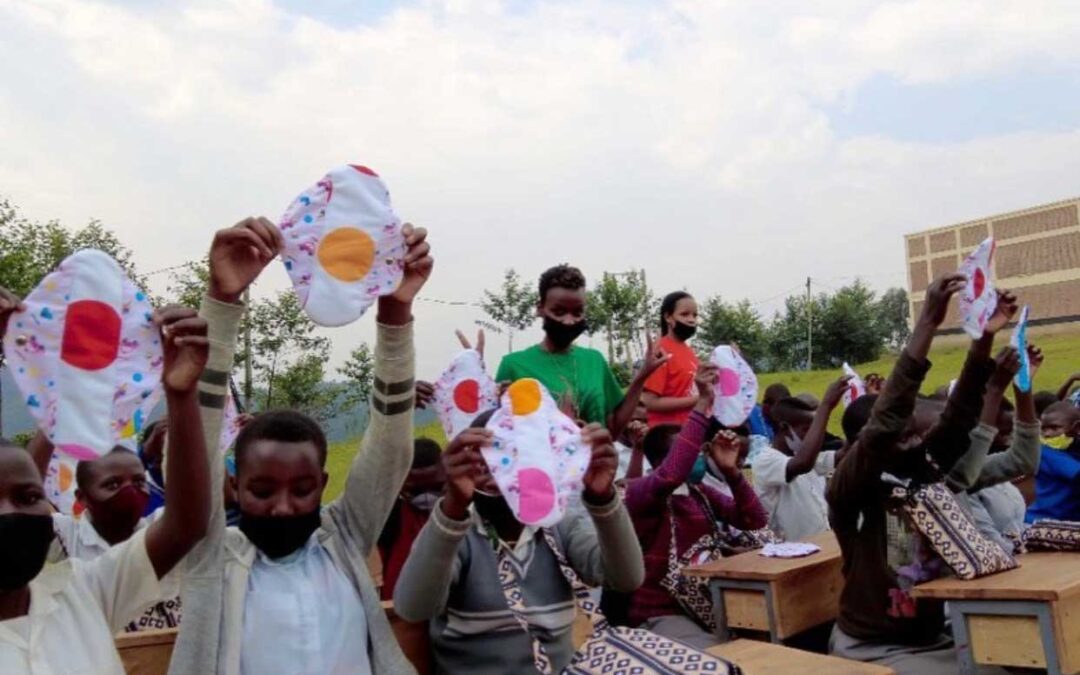
In many parts of Africa, period poverty remains a significant issue, affecting millions of women and girls. Period poverty refers to the lack of access to menstrual hygiene products, education, and facilities, which can have severe consequences on women’s health, education, and overall well-being. However, there is hope as organizations, governments, and individuals are working tirelessly to address this issue and create a future where no woman or girl is held back by her period.
Understanding Period Poverty
Period poverty is a multifaceted issue that encompasses various challenges. Lack of access to affordable menstrual products, limited sanitation facilities, cultural stigmas, and inadequate menstrual health education all contribute to the perpetuation of period poverty. These barriers prevent women and girls from managing their periods with dignity, often leading to health issues, school absenteeism, and limited economic opportunities.
The Impact of Period Poverty
The consequences of period poverty are far-reaching. Without access to proper menstrual hygiene products, women and girls resort to using unsafe alternatives like rags, leaves, or even mud, which can lead to infections and other health complications. Moreover, the shame and stigma associated with menstruation can negatively impact girls’ self-esteem and confidence, leading to absenteeism and a higher likelihood of dropping out of school. This perpetuates a cycle of poverty and limits their potential for a better future.
Efforts to End Period Poverty
1. Advocacy and Awareness: Organizations and individuals are working tirelessly to raise awareness about period poverty and challenge the taboos and stigmas surrounding menstruation. By engaging in conversations, hosting workshops, and using social media platforms, they aim to break the silence and normalize discussions around menstruation.
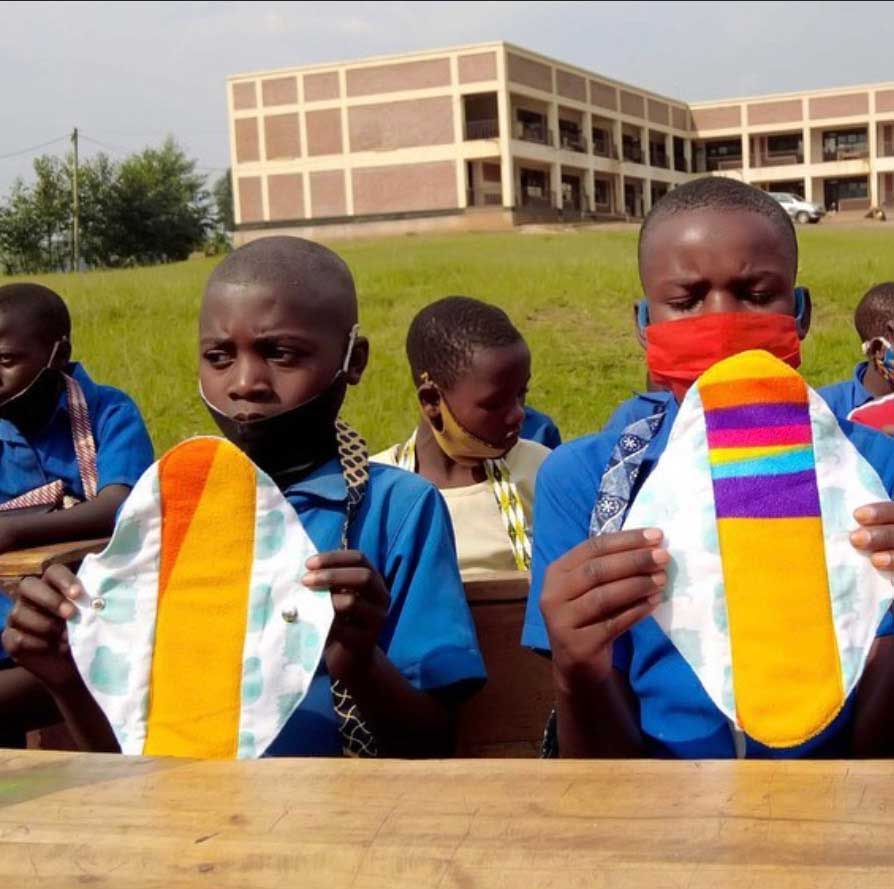
2. Access to Menstrual Hygiene Products: Various initiatives are focused on providing affordable and sustainable menstrual hygiene products to women and girls in need. These initiatives range from distributing reusable pads, menstrual cups, and eco-friendly disposable products to setting up local production units that empower women economically.
3. Education and Empowerment: Comprehensive menstrual health education programs are being implemented to equip women and girls with knowledge about their bodies, menstrual hygiene practices, and the importance of proper menstrual product usage. These programs also aim to challenge cultural norms and empower women to take control of their menstrual health.
4. Policy and Government Support: Governments across Africa are recognizing the importance of addressing period poverty and are taking steps to implement policies that ensure access to menstrual hygiene products in schools, workplaces, and public spaces. This support is crucial in creating sustainable change and breaking down systemic barriers.
5. Partnerships and Collaborations: NGOs, businesses, and governments are joining forces to pool resources, share knowledge, and implement large-scale initiatives to tackle period poverty effectively. Collaborations between organizations and communities are key to creating lasting change and ensuring that no woman or girl is left behind. Impact and
Future Outlook
The work being done to end period poverty in Africa is already yielding positive results. Women and girls are gaining access to menstrual hygiene products, education, and support, enabling them to manage their periods with dignity and pursue their dreams. By breaking the silence and challenging cultural norms, the conversation around menstruation is becoming more inclusive and empowering. However, there is still much work to be done. Sustainable solutions, long-term funding, and continued advocacy are essential to ensure that period poverty is eradicated entirely. By prioritizing menstrual health as a fundamental human right, Africa can pave the way for a future where every woman and girl can thrive, regardless of their menstrual cycle.
In Conclusion, ending period poverty in Africa requires a collective effort that involves governments, organizations, communities, and individuals. By addressing the systemic barriers, providing access to menstrual hygiene products, and empowering women and girls through education, we can create a future where period poverty is a thing of the past. Together, we can ensure that every woman and girl in Africa can embrace their periods with dignity, unlock their full potential, and contribute to a prosperous and equitable society.
Walking in Purpose,
Rev. Stephanie Denise